

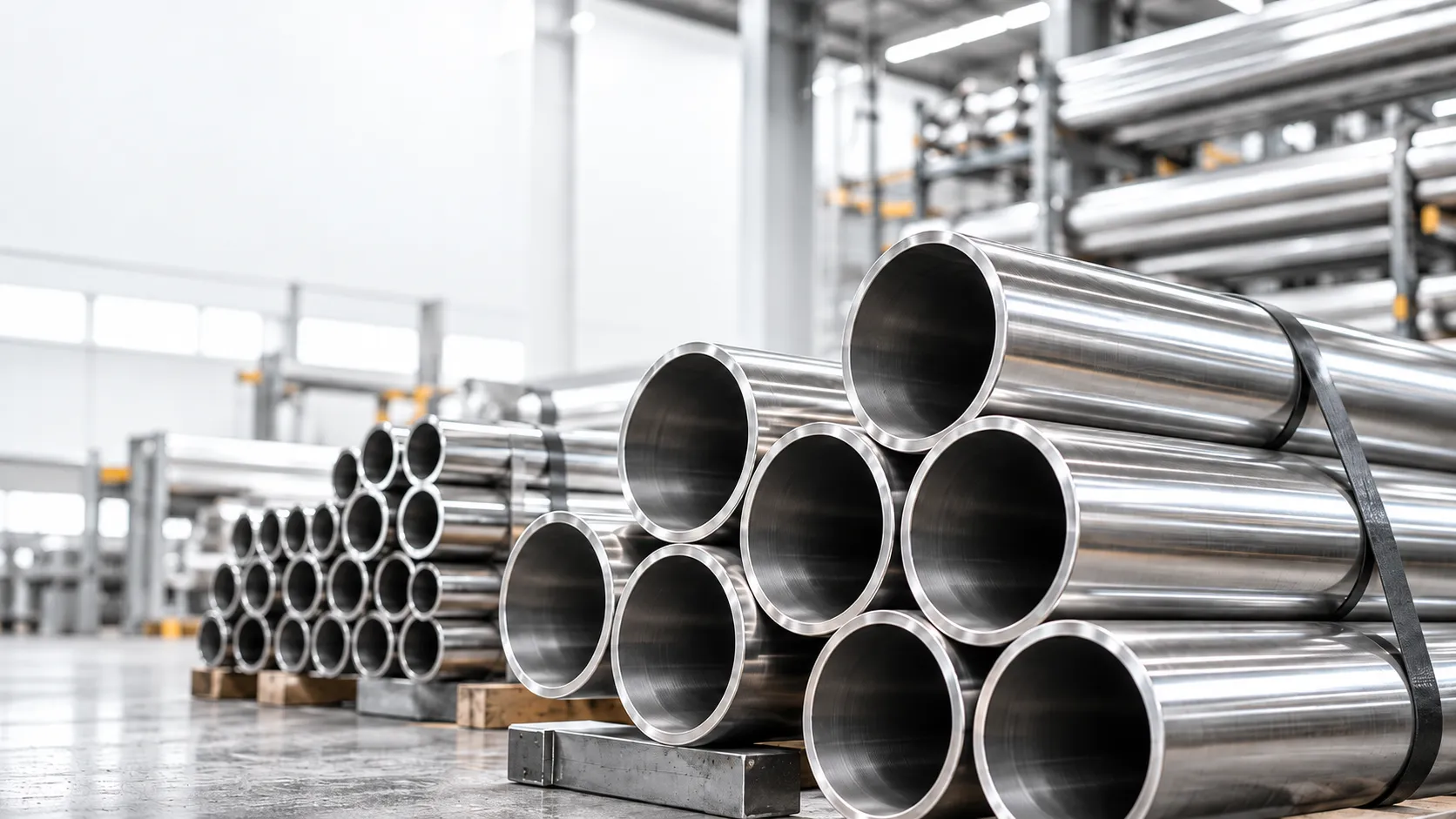
Choosing the right piping material is an important part of any construction, fabrication, or industrial project. The material you select can affect durability, maintenance requirements, appearance, and overall performance. Among the available options, stainless steel stands out for its strength, corrosion resistance, and versatility.
Whether you are working on residential improvements, commercial construction, or industrial fabrication, selecting a suitable stainless steel pipe can help you achieve reliable results.
Understanding its features, applications, and available grades makes it easier to choose the right material for your specific requirements.
What Is Stainless Steel Pipe?
Stainless steel pipe is a hollow cylindrical product manufactured from a steel alloy containing chromium. Chromium helps form a protective surface layer that improves resistance to corrosion and staining.
Compared with ordinary carbon steel, stainless steel generally requires less protective coating and can maintain an attractive appearance for longer in suitable environments.
Stainless steel products are commonly used in construction, architectural fabrication, manufacturing, and industrial applications.
Although the terms pipe and tube are often used interchangeably, they have different sizing conventions. Pipes are commonly specified using nominal bore measurements, while tubes are typically identified by outside diameter and wall thickness.
Understanding this difference is important when selecting materials for fabrication or connecting components.
Key Benefits of Stainless Steel Pipe
1. Excellent Corrosion Resistance
One of the main advantages of stainless steel is its ability to resist corrosion in many environments.
Unlike untreated carbon steel, stainless steel develops a protective chromium-rich surface layer that helps reduce deterioration caused by moisture and environmental exposure.
This makes it a practical option for outdoor structures, architectural features, and certain industrial applications.
However, corrosion resistance depends on the stainless steel grade, environmental conditions, and proper maintenance.
2. Strength and Durability
Stainless steel offers useful mechanical strength and long-term durability. It can withstand everyday wear and support a variety of fabrication requirements when the appropriate dimensions and grade are selected.
For applications involving structural loads, material thickness, installation methods, and relevant engineering requirements must also be considered.
The combination of strength and corrosion resistance makes stainless steel suitable for projects where dependable performance matters.
3. Low Maintenance Requirements
Another important benefit is its relatively low maintenance requirement.
Stainless steel generally does not need regular painting or protective coating under normal conditions. Routine cleaning helps maintain its appearance and remove surface contaminants.
This can reduce maintenance demands over the lifetime of a project, particularly in locations where regular access is difficult.
4. Clean and Modern Appearance
Stainless steel is widely appreciated for its attractive metallic finish.
It can complement modern architectural designs and is frequently used for handrails, balustrades, decorative structures, and commercial fittings.
Different surface finishes can provide a brushed, satin, or polished appearance depending on the desired result.
Common Applications of Stainless Steel Pipe
Construction and Architectural Projects
Stainless steel is frequently selected for architectural components where appearance and durability are equally important.
Common applications include handrails, balustrades, support components, and decorative frameworks.
Its corrosion resistance makes it particularly useful for exposed installations when the correct stainless steel grade is specified.
Industrial Fabrication
Industrial workshops use stainless steel for various fabricated components, equipment supports, and specialised assemblies.
The material can be cut, formed, and welded using suitable processes and equipment.
For demanding industrial applications, fabricators must verify the material grade and required performance specifications before installation.
Residential and Commercial Projects
Stainless steel is also popular for residential renovations, commercial interiors, and custom fabrication.
It can be incorporated into furniture frames, decorative railings, shelving supports, and other functional features.
A well-selected stainless steel component can provide an appealing combination of practical performance and contemporary styling.
Stainless Steel Pipe vs Other Metal Pipe Options
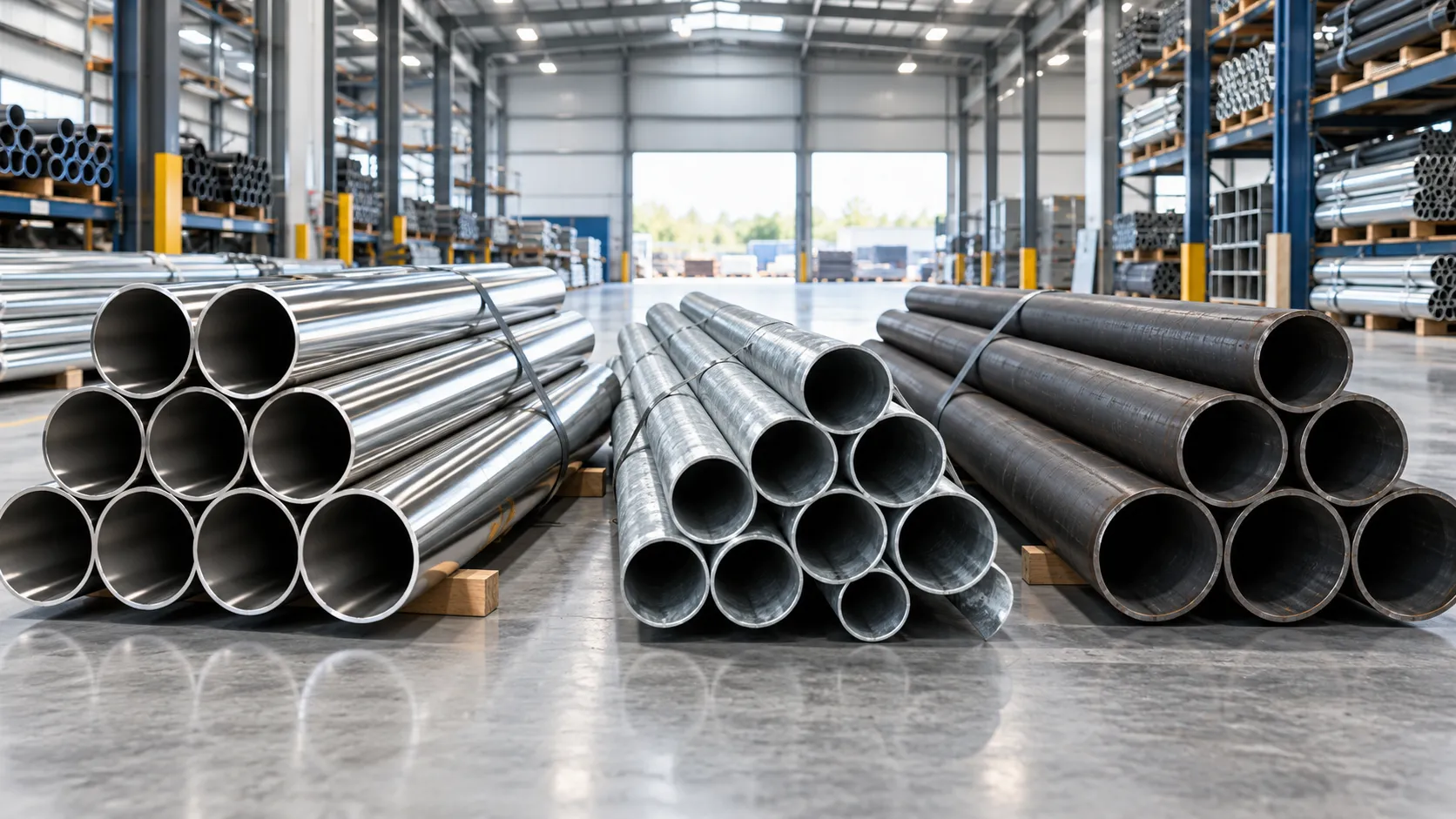
Different projects require different material properties. Comparing stainless steel with other piping materials helps identify the most suitable option.
Stainless Steel vs Mild Steel
Mild steel is generally economical, readily available, and easy to fabricate. It is commonly used for structural supports, frames, and general workshop applications.
However, untreated mild steel is more vulnerable to rust when exposed to moisture.
Stainless steel typically offers better corrosion resistance, making it suitable for applications where appearance and reduced maintenance are priorities.
Stainless Steel vs Galvanised Steel
Galvanised steel has a protective zinc coating that helps prevent corrosion.
It is commonly used for fencing, outdoor supports, and general fabrication.
Stainless steel provides corrosion resistance through its alloy composition rather than relying on a zinc coating. The better choice depends on environmental exposure, budget, and project requirements.
When selecting a metal pipe, consider both the initial purchase cost and expected maintenance needs.
Understanding Stainless Steel Grades
Selecting the correct grade is essential for achieving suitable performance.
Grade 304 Stainless Steel
Grade 304 is widely used for general fabrication and architectural applications.
It offers good corrosion resistance in many everyday environments and is suitable for handrails, decorative components, and indoor installations.
For projects without significant chloride exposure, Grade 304 can provide a practical balance of durability and cost.
Grade 316 Stainless Steel
Grade 316 contains molybdenum, which improves resistance to certain forms of corrosion, particularly in chloride-containing environments.
It is often preferred for coastal installations, marine-related fabrication, and other challenging conditions.
However, Grade 316 is not completely immune to corrosion. Correct fabrication, cleaning, and maintenance remain important.
Steelmart lists both Grade 304 and Grade 316 stainless steel tube options within its pipe collection.
How to Choose the Right Stainless Steel Pipe
Before purchasing materials, consider the following factors.
Application: Determine whether the product will be used for decorative fabrication, structural components, or another specialised purpose.
Dimensions: Check the required outside diameter, wall thickness, and length to ensure compatibility with your design.
Environment: Consider exposure to moisture, salt, chemicals, and other conditions that may affect corrosion resistance.
Finish: Choose a surface finish that suits the appearance and maintenance requirements of the completed project.
Fabrication: Confirm that your selected material is suitable for the intended cutting, welding, bending, or installation process.
Proper planning helps reduce material waste, avoid unnecessary expenses, and improve the quality of the finished work.
Complementary Materials for Metal Fabrication
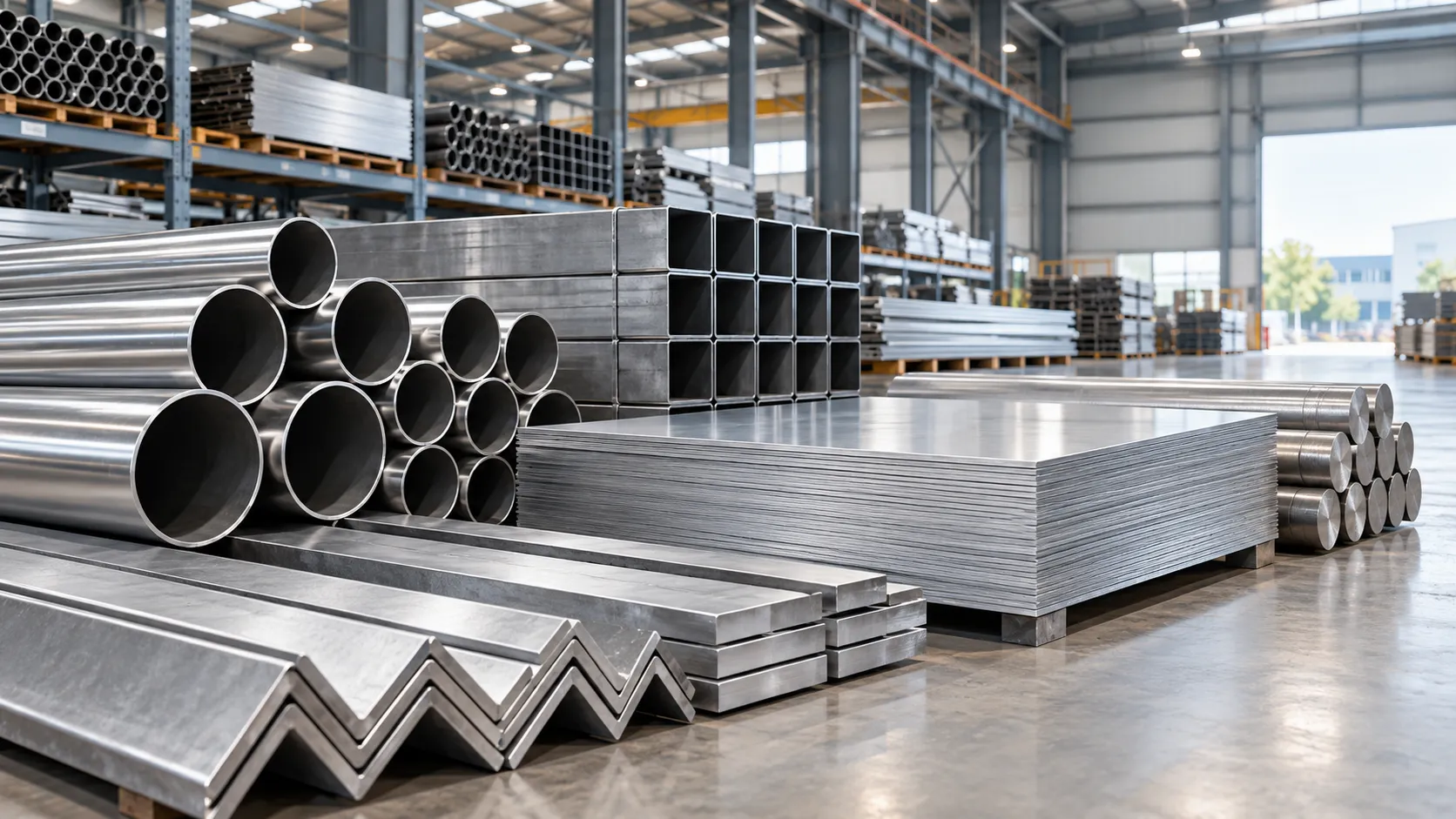
Many construction and fabrication projects require more than one type of metal product.
Alongside stainless steel piping, an aluminium sheet can be useful for lightweight panels, cladding, decorative features, and custom fabricated components.
Aluminium offers a favourable strength-to-weight ratio and good corrosion resistance for many applications.
Combining appropriate materials allows fabricators to balance weight, appearance, strength, and overall project requirements.
Choose Quality Stainless Steel Products from Steelmart
Finding suitable materials is an important step towards successful fabrication.
Steelmart provides a selection of steel pipe and round tube products, including stainless steel options, black pipe, galvanised pipe, and other fabrication materials.
With different dimensions, grades, and finishes available, customers can explore products that match their project requirements.
Whether you are preparing a small workshop project or sourcing materials for commercial fabrication, choosing the correct specifications can make installation and maintenance easier.
Conclusion
Stainless steel pipe is a versatile material valued for its durability, corrosion resistance, and clean appearance.
From architectural features and handrails to industrial fabrication, it offers practical advantages across many applications.
Understanding stainless steel grades, dimensions, finishes, and environmental requirements helps you make an informed purchasing decision.
For your next construction or fabrication project, explore Steelmart’s range of metal products and select materials that suit your intended application.
Read More: Metal Steel Plate: A Practical Guide for Fabrication