

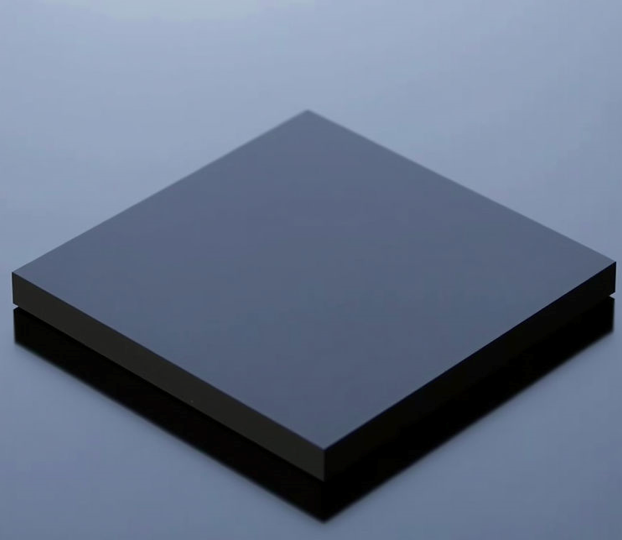
Designing industrial equipment requires careful selection of materials that can meet performance, durability, and environmental requirements. Engineers often rely on materials that can handle heat, corrosion, and mechanical stress. Two commonly used materials in such designs are silicon carbide plates and 316 stainless steel sheet metal. Each plays a different role in ensuring efficient and reliable equipment performance.
Understanding how these materials are used helps engineers and industrial buyers make better decisions during the design process.
Importance of Material Selection in Equipment Design
Industrial equipment is often exposed to challenging conditions such as high temperatures, chemical exposure, and continuous operation. The choice of materials directly affects the lifespan and efficiency of the equipment.
Silicon carbide plates and 316 stainless steel sheet metal are widely used because they offer reliable performance in demanding environments. Their properties make them suitable for different parts of industrial systems.
Overview of Silicon Carbide Plate
A silicon carbide plate is a high-performance ceramic material made from silicon and carbon. It is known for its strength, thermal stability, and resistance to wear.
Silicon carbide plates are commonly used in applications where materials are exposed to extreme heat and abrasive conditions. They are often used in furnace systems and industrial processing equipment.
Key Properties of Silicon Carbide Plate
A silicon carbide plate offers several important benefits in equipment design. It has excellent resistance to high temperatures, allowing it to perform in extreme heat conditions.
It provides strong resistance to wear and abrasion, making it suitable for applications involving friction or contact with solid particles.
It also offers good resistance to thermal shock, which allows it to handle rapid temperature changes. In addition, it resists chemical corrosion, making it suitable for harsh industrial environments.
Overview of 316 Stainless Steel Sheet Metal
316 stainless steel sheet metal is a widely used material known for its strength and corrosion resistance. It contains molybdenum, which improves its ability to resist chemical exposure.
This material is commonly used in structural components, tanks, and panels in industrial equipment. It provides a reliable and cost-effective solution for many applications.
Key Properties of 316 Stainless Steel Sheet Metal
316 stainless steel sheet metal offers several advantages. It provides excellent resistance to corrosion, especially in environments that involve moisture and chemicals.
It has good mechanical strength, allowing it to support structural loads. It is easy to fabricate into different shapes, which makes it suitable for a wide range of equipment designs. It also performs well in moderate temperature conditions.
Applications in Industrial Equipment
Silicon carbide plates are used in components that are exposed to high temperatures and wear. This includes furnace linings, kiln shelves, and wear-resistant surfaces in industrial systems.
316 stainless steel sheet metal is used in structural components such as frames, tanks, and enclosures. It is also used in equipment that handles fluids and chemicals.
In many designs, both materials are used together. Silicon carbide handles extreme conditions, while stainless steel provides structural support and flexibility.
How These Materials Complement Each Other
Silicon carbide plates and 316 stainless steel sheet metal often work together in industrial equipment. Silicon carbide is used in areas where heat and abrasion are present. It protects equipment from damage and extends service life.
Stainless steel is used in areas where strength and corrosion resistance are required. It provides structural stability and supports overall system design. This combination allows engineers to create equipment that is both durable and efficient.
Choosing the Right Material for Design
Selecting between a silicon carbide plate and 316 stainless steel sheet metal depends on the requirements of the application. If the component is exposed to high temperatures, abrasion, or thermal stress, silicon carbide is the better choice.
If the application requires structural strength, corrosion resistance, and ease of fabrication, stainless steel is more suitable. Engineers should evaluate operating conditions, mechanical requirements, and environmental factors when selecting materials.
Conclusion
Silicon carbide plates and 316 stainless steel sheet metal are essential materials in industrial equipment design. Each offers unique advantages that make it suitable for different roles within a system.
By understanding their properties and applications, engineers and industrial buyers can select the right materials to improve performance, reduce maintenance, and ensure long-term reliability in industrial equipment.